ADVERTISEMENT
Classic Tiramisu Recipe: Traditional Italian Techniques
Tiramisu, a name that loosely translates to "pick me up," is more than just a dessert. It’s a cultural statement. A layered cold Italian treat that speaks fluently in the language of mascarpone, espresso, and cocoa. But it’s shocking how many so-called tiramisu recipes circulating online are watered-down versions. Powdered cream, instant mixes, or shortcuts with whipped topping? That’s not the real thing.
Traditional tiramisu respects the ingredients, timing, and process. And there’s a reason it has stayed the same since it emerged in Northern Italy, particularly from the Veneto region. The original recipe doesn't call for dramatic upgrades or sugar-loaded substitutes. What it needs is precision and care.
Choosing the Right Ingredients the Italian Way
Mascarpone is not cream cheese. Using cream cheese in tiramisu is like putting ketchup on a croissant. Mascarpone has a soft, rich texture that holds the structure of the dessert while giving it that signature tang.
Authentic tiramisu uses fresh egg yolks, granulated sugar, strong espresso, and real ladyfingers—known as savoiardi. Some people use sponge cake or even cookies, and that’s exactly how you ruin the integrity of the recipe.
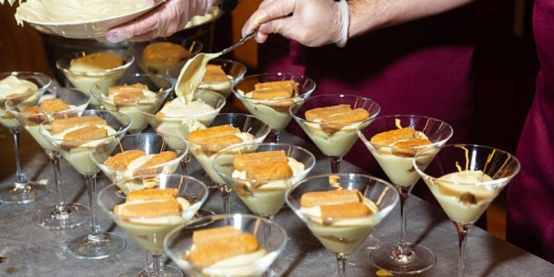
Eggs in tiramisu are usually raw, but those who care about food safety can use a method called zabaglione, where the yolks are gently cooked over steam with sugar, forming a light custard. This is what restaurants serving classic tiramisu in Italy often do. It’s safe, rich, and smooth.
As for the espresso, don’t pour instant coffee or lukewarm brew over your ladyfingers. If you're not using freshly pulled espresso shots, then at least make sure the coffee is strong and chilled before using it. Anything less will make your tiramisu soggy and bitter.
Layering Is a Discipline, Not a Rush
Tiramisu isn't one of those desserts you throw together five minutes before dinner and expect applause. The layering is an art. Dip the ladyfingers lightly in the espresso. Not soak, not bathe—just dip. Over-soaked biscuits will fall apart and destroy the texture of the entire dish.
Each layer of dipped savoiardi should be followed by a generous spread of the mascarpone mixture, which includes the zabaglione and whipped cream (or egg whites, if going fully traditional).
Repeat with another layer of dipped ladyfingers and mascarpone. Then chill. Not for an hour. Not two. Give it a minimum of six hours to overnight. That’s when the flavors sit down, shake hands, and blend.
Why Cocoa Powder Is Not Just Garnish
One would think cocoa powder is a simple touch, a dusting to make tiramisu look pretty. But in traditional tiramisu, it does more than that. It balances the sweetness of the cream and the intensity of the espresso. The cocoa must be unsweetened and sifted finely just before serving.
Dusting it earlier causes it to darken, melt into the top layer, and turn muddy. If the top of your tiramisu is wet or sticky from cocoa, you rushed it. Presentation matters, and so does timing.
Understanding the Refrigeration Science
Let’s talk patience. Tiramisu cannot be frozen into some make-ahead “icebox dessert.” Nor should it be left out at room temperature for long. This is not street puff-puff or some snack you sell from a tray. It contains eggs, cream, and coffee—perishable elements that demand refrigeration.
A good tiramisu must be chilled at the right temperature and served cold. If done correctly, it can last up to three days in the fridge without losing integrity. Past that point, the texture starts to fail, and the espresso turns sour.
Variations That Disrespect the Craft
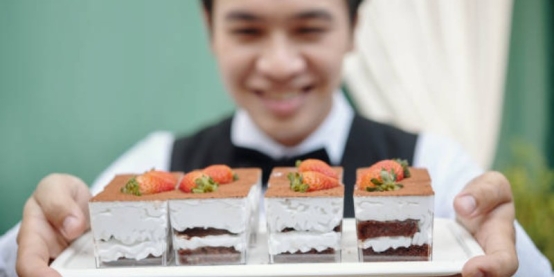
There’s a rising trend of adding strawberries, Nutella, Oreos, and even alcohol into tiramisu in the name of “modern twists.” While some Italian families use a dash of Marsala or rum in their zabaglione, it is subtle and balanced. Not boozy. Drowning your tiramisu in rum cream or vodka syrup is just another way of covering up a lack of technique.
The original dish didn’t need extra flavors. If you want a chocolate dessert with liqueur, make a mousse or a truffle cake. But don’t call it tiramisu if you’ve turned it into a sugary cocktail.
Respecting the Traditional Serving Style
Tiramisu was never meant to be cut into perfect bakery-style squares with gelatin or stiffeners holding it up. The softness of the cream and the soaked biscuits means you serve it with care, not force. A gentle spoon works best when serving from a glass dish or ceramic tray.
In restaurants that respect Italian heritage, tiramisu comes slightly imperfect, with natural edges and layers that shift slightly as they’re plated. That’s not a mistake. That’s elegance. That’s authenticity.
What Nutrition Experts Say About It
Tiramisu, when made properly, is not a sugar bomb. Traditional tiramisu has fewer processed elements than most store-bought desserts. According to the Mayo Clinic’s insights on healthy baking alternatives, using natural ingredients and skipping excess sugar aligns more closely with mindful eating habits. When prepared with moderation and balance, tiramisu fits well into an indulgent yet conscious diet.

Tiramisu and Its Global Influence
The popularity of tiramisu has gone global, but most places serve versions far removed from the original. According to culinary data from Statista's food and beverage industry research, Italian desserts remain one of the most searched and ordered categories worldwide. Yet, fewer than 40% of people who claim to know tiramisu have actually tasted it in its original form. That shows how far a dish can travel from its roots and why it’s important to preserve its original techniques.
Bringing Back Kitchen Integrity
There’s a difference between innovation and imitation. While fusion cooking has its place, not every recipe needs to be “reimagined” or “reinvented.” Some things were already perfected decades ago. Tiramisu is one of those things. The beauty of tiramisu lies not in how many layers it has, but in the story it tells about patience, simplicity, and balance. A dessert that asks for attention but gives comfort. It rewards those who understand that food is not just flavor, it is discipline, memory, and craft.