ADVERTISEMENT
Baklava Recipe: Mastering Layers and Syrup Ratios
Baklava is one of the oldest desserts in the world, known for its crisp, flaky texture and rich, syrupy sweetness. Originally from the Middle East and the Mediterranean, it takes skill and precision to get it right.
Many people think it’s easy—just layer some phyllo sheets, toss in some nuts, pour syrup, and you’re good to go. That kind of thinking leads to disaster. What you get is either soggy pastry or a dry block that breaks like biscuit. The truth is, baklava requires patience, timing, and respect for details. Especially the syrup ratio and the layering technique.
Getting the Phyllo Dough Right
Anyone who has ever worked with phyllo knows it’s unforgiving. It dries out within minutes if left exposed. And when it dries, it cracks, tears, and ruins the structure. That’s why it must be kept under a damp towel during preparation.
Some think layering five or six sheets is enough, but that’s how to build a pile of uncooked dough, not a dessert. Each layer must be brushed with butter, and no shortcuts. Melted unsalted butter works best, not margarine, and it must not be boiling hot. The goal is to separate the sheets, not to fry them.
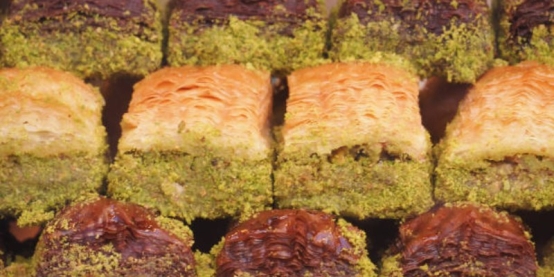
A full tray of baklava often contains over 30 layers, split between the base, the filling section, and the top. Skimping on layers is like trying to build a house with cardboard instead of bricks. And those who think store-bought puff pastry can replace phyllo should sit this one out. Real baklava doesn’t puff—it flakes. The thinness of the sheets is what gives the final dessert its delicate crunch.
Balancing the Filling Mixture
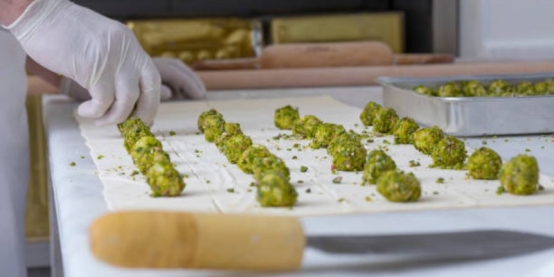
Tradition calls for chopped nuts. Some swear by walnuts, others prefer pistachios, while a few like to mix in almonds. The nuts must be fresh, not stale or old-stock. And they should be chopped, not ground into powder. Powdered nuts make the baklava dense and pasty, robbing it of the crunch it deserves.
The nuts are usually mixed with sugar and spices like cinnamon or cardamom, depending on regional recipes. But sugar in the filling must be used with caution. Too much, and the baklava turns out too sweet and heavy. Too little, and the layers feel empty. A delicate balance must be struck. This is where mastery shows itself.
Baking Temperature and Time
Some people crank up the heat, thinking they can bake baklava in 20 minutes. What they get is burnt top layers and raw bottoms. A proper baklava is baked at moderate heat, often between 160°C and 175°C. The baking takes about 45 to 60 minutes, and the tray must be rotated mid-way through to ensure even browning. Rushing the process kills the taste and the texture. Every layer must be given time to rise, crisp, and settle.
Cutting before baking is also important. Do not wait until it’s baked before slicing. The dough will crumble. Always slice the baklava into diamonds or squares before putting it in the oven. This also allows the syrup to soak in properly later.
The Syrup Debate: Hot or Cold
Now here comes the part where many lose the plot completely. The syrup. This is the heart of baklava. The syrup must be either hot over cold pastry, or cold over hot pastry. Never hot on hot. Never cold on cold. That combination turns the baklava into a mushy slab that smells sweet but tastes like regret.
The syrup is usually made with sugar, water, lemon juice, and sometimes honey or rose water. Boil it until it’s thick but pourable. If it’s too runny, it makes the pastry soggy. If it’s too thick, it sits on top like glue. Some recipes include orange blossom or cloves for flavor. These must be used sparingly.
There’s a reason the U.S. Department of Agriculture recommends precise measurement in syrup-based desserts. Guesswork leads to imbalance. And when syrup overwhelms the baklava, all the effort on the layers and filling becomes pointless.
Timing the Syrup Pour
Syrup must not be poured as soon as the tray comes out of the oven. Give it 5 to 10 minutes. If using cold syrup, the heat of the pastry will draw it in slowly. Letting it rest allows the syrup to settle into the layers. Covering the tray during this time is not necessary. That traps steam and turns crisp layers into soft bread. Instead, leave it uncovered in a cool area.
Once the syrup is in, baklava should rest for several hours—preferably overnight. This waiting time allows the flavor to develop fully and makes it easier to cut without the layers slipping apart. Good baklava is not made for instant gratification. It rewards patience.
Mistakes That Destroy Baklava
Some errors are just too common. Like using too little butter between sheets, which causes the layers to bake into one hard mass. Or using too much syrup, which soaks the entire structure and ruins the texture. Others skip layering completely and mix everything into one lump. That’s not baklava. That’s confusion.
Another common error is over-packing the nut layer. It makes the pastry too thick and hard to bite. Baklava is meant to be crisp and delicate, not dense and chewy. The balance between dough and filling is what creates the signature bite. It should not be one-dimensional.
Regional Differences and Variations
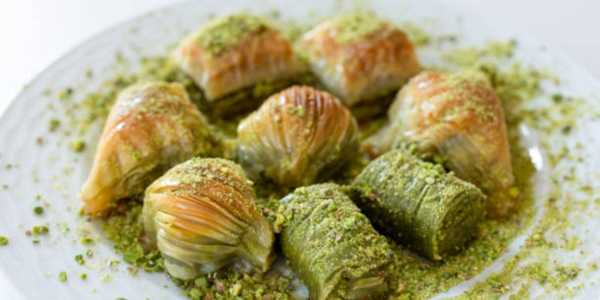
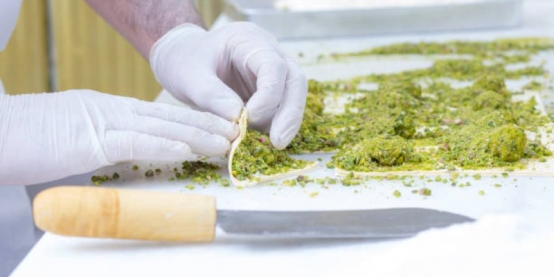
Different regions have their own baklava styles. Turkish baklava tends to use pistachios and sugar syrup. Lebanese versions often include rose water. Greek baklava usually leans on walnuts and spices. Each version has its followers. But the principles remain the same: crisp phyllo, measured syrup, and balance.
Knowing these differences can also help understand why recipes vary. For instance, Turkish baklava is often lighter on syrup and heavier on butter, while BBC Good Food offers a version that goes heavier on syrup and nut filling. Both are valid, but not interchangeable. One cannot simply throw every version together and expect a masterpiece.
Storing and Serving
Baklava should be stored in a cool, dry place. Refrigerating it ruins the texture. It becomes hard and sticky. Room temperature is best, and an airtight container helps retain freshness. When serving, cut gently to avoid breaking the top layers. And resist the urge to warm it up. Heat melts the syrup and makes the pastry limp. A firm but delicate piece of baklava is the right way to enjoy it.
Baklava also pairs well with strong drinks like coffee or mint tea. Avoid overly sweet drinks. Too much sugar dulls the flavor of the pastry. A proper pairing brings out the richness of the nuts and the spice of the filling.
Why Skill Matters More Than Ingredients
Anyone can buy phyllo, butter, nuts, and sugar. But that doesn’t mean they can make good baklava. Without understanding the process, it all falls apart. Precision is not optional. Skill matters more than shortcuts. And rushing the steps leads to bitter disappointment.
Many people blame the ingredients when their baklava fails. But in reality, it's often poor technique. A professional touch lies in doing simple things well—brushing each layer, watching the bake, and timing the syrup. Those steps, when done with care, produce magic.
Sources
U.S. Department of Agriculture – Food Safety and Measurement