ADVERTISEMENT
How to Make Classic Cheesecake: Step-by-Step Guide
A classic cheesecake is not just a dessert. It is a delicate blend of smooth texture, rich taste, and balanced sweetness. Many people mess it up because they rush the process or ignore the little details. Some just think it's as easy as mixing cream cheese and sugar, throwing it in the oven, and calling it a day. But no, that’s not how a proper cheesecake comes to life.
Why Cheesecake Baking Is Not for the Impatient
Baking cheesecake takes precision. If one step is off, the whole dessert can turn into a rubbery, cracked mess. The process needs patience. This dessert is not for those who cannot wait or refuse to follow instructions. A proper cheesecake demands respect. And anyone who wants to make one must be ready to give it the time and attention it deserves.
The Importance of Quality Ingredients
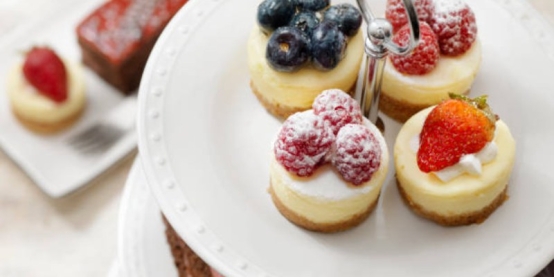
Every bite of a cheesecake reflects the quality of its ingredients. That cream cheese cannot be cheap. If it says “low-fat” or “lite,” throw it out of the cart. A classic cheesecake is not a place to start cutting calories. Full-fat cream cheese, fresh eggs, real vanilla extract, and sour cream are not optional. They are what give the cake its flavor and structure. Anything less is an insult to the art.
The crust matters too. Some people are out here using stale biscuits or butter substitutes and wondering why their base tastes bland and soggy. The truth is, if the crust is weak, it spoils everything else. A strong base made from crushed graham crackers, melted butter, and a touch of sugar lays the foundation.
Many try to use shortcuts. They buy pre-made crusts or frozen cheese fillings. That’s how you end up with desserts that taste like cardboard. A cheesecake that makes you close your eyes and pause after the first bite only comes from using the real stuff. According to the U.S. Department of Agriculture, dairy-based products like cream cheese offer the best texture and performance when fresh and not over-processed.
Making the Crust the Right Way
This is where people get lazy. They just dump crumbs into a pan, pour butter over it, and press it down with a spoon. That’s not a crust. That’s a soggy mess waiting to happen. A good crust needs to be firm but not hard, sweet but not overpowering. It must hold its place without crumbling apart the moment you slice through.
Melted butter should be warm, not hot. Mix it with your crumbs and press it gently but firmly into a springform pan. Don’t forget the sides. Press the crumbs up the sides of the pan a little. Then bake the crust first before pouring any filling into it. This keeps it crisp, not soggy. Those who skip this step are just setting themselves up for disappointment. A cheesecake’s base should support, not sabotage, the whole experience.
Crafting the Perfect Cheesecake Filling
This is not the time to rush. If the cream cheese isn’t at room temperature, you’re going to have lumps. And lumps are the enemy of good cheesecake. Let it sit out. Be patient. Beat it slowly and thoroughly before adding anything else. Sugar goes in next, then the eggs, one at a time. People who dump in all their ingredients at once and hope the oven fixes their mistakes end up with curdled fillings and cracked tops.
Add sour cream and vanilla after the eggs. Mix everything on low speed. Overmixing leads to too much air, and too much air leads to cracks. The best cheesecakes are dense but creamy, not spongy like cake.
Baking it right matters too. A cheesecake should not be baked at high heat. Low and slow is the rule. The oven should be set at a steady 325°F or slightly lower, and it’s best to use a water bath. That steam keeps the top from cracking.
Yes, a water bath. Not optional. Those who skip it often end up posting pictures online of sad, cratered cheesecakes. And that’s on them. The water bath surrounds the cake with gentle heat and humidity. That’s what leads to a smooth top and a silky interior. Wrap the pan tightly with foil to keep water out, then place it inside a larger pan filled halfway with hot water.
Cooling and Setting Are Not to Be Ignored
After baking, do not—repeat, do not—just take the cheesecake out and put it on the counter or in the fridge immediately. That sudden change in temperature? That’s a one-way ticket to Cracksville. The cake needs time to cool slowly. Turn off the oven, crack the door open, and leave it inside for about an hour.
Then take it out and let it sit at room temperature until it’s cool. Only then can it go into the fridge. And it needs to chill overnight. Cheesecake that’s rushed out of the fridge after just three hours will taste soft, gooey, and unfinished. The best texture comes after the flavors settle and the structure firms up overnight.
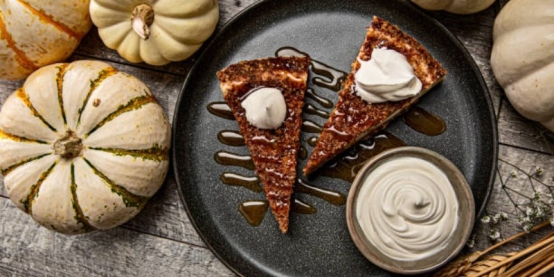
Some will argue that four hours is enough. Let them argue. Those who know better understand that waiting till the next day is the difference between average and unforgettable. According to Harvard T.H. Chan School of Public Health, letting high-fat dairy desserts settle helps balance both taste and digestive response.
Topping and Serving the Cheesecake Properly
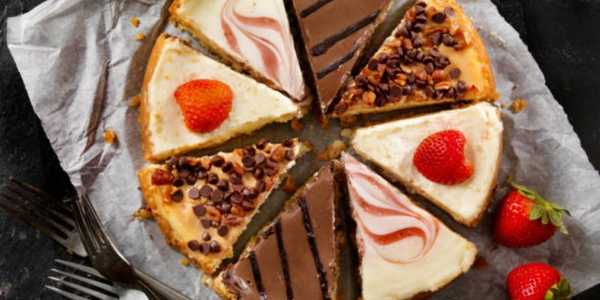
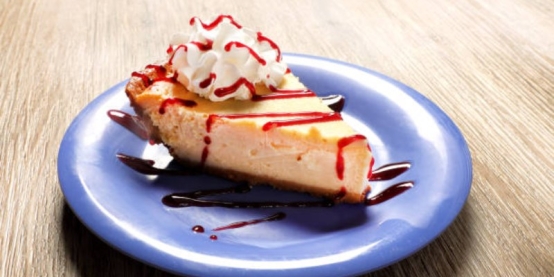
Toppings are not to be abused. Some people go overboard with berry sauces, chocolate drips, or thick fruit jams. A classic cheesecake doesn’t need to be covered in a mountain of toppings. If the base is rich, the filling smooth, and the balance perfect, then a few fresh strawberries or a light drizzle of fruit glaze is all it needs.
Serving should be clean. A hot knife cuts better. Dip the knife in hot water before each slice and wipe it clean. That’s how you get those picture-perfect cuts that hold their shape and show off the layers clearly.
When serving, let it sit out for ten to fifteen minutes so the flavors bloom. Not too long though—no one wants warm cheesecake. This dessert is rich, dense, and fulfilling. It does not need to be drowned in sugar or eaten in giant slices. A small, well-balanced portion is enough.
Common Mistakes That Ruin Everything
People try to freestyle cheesecake too much. They swap cream cheese for Greek yogurt, or use margarine instead of butter. They bake at 375°F or 400°F because they want it done faster. That’s like trying to cook jollof rice with dry firewood and wondering why it burns. Cheesecake punishes shortcuts.
Another problem is checking the cake too often while it’s baking. Every time the oven is opened, heat escapes and the cooking is disrupted. A cheesecake bakes best when left alone. No poking. No shaking. No sticking in toothpicks. It’s done when the edges are set and the center jiggles slightly. That’s the sign.
And please, nobody needs gelatin in a classic cheesecake. This is not a no-bake mousse dessert. A proper New York-style cheesecake does not wiggle like jelly. If it does, something went wrong.
Why Classic Cheesecake Will Always Matter
People are always looking for new versions of desserts. No-bake cheesecake. Avocado cheesecake. Keto cheesecake. They can have their fun. But the classic will always remain the foundation. It is the true test of patience, technique, and discipline in the kitchen.
Those who master the classic cheesecake earn their place among dessert makers. They know that every step counts. They know that every ingredient has a purpose. And they understand that some things should not be rushed or replaced.
Making cheesecake the right way teaches more than just baking. It teaches control. It teaches patience. And it shows who is serious about food, and who just wants quick praise without putting in the work.
Sources
U.S. Department of Agriculture - FoodData Central
Harvard T.H. Chan School of Public Health - Dairy and Health