ADVERTISEMENT
How to Decorate Cakes Like a Pro: Beginner-Friendly Techniques
Cake decorating is not a talent reserved for people on TV shows or baking competitions. It is not rocket science. Anybody with working hands, the right tools, and the willingness to practice can do it.
The first step is to know the cake is your canvas. A blank one. Nobody starts as a master, so trying to compare your beginner work to what you saw on a culinary institute's professional demo makes no sense. Perfection is not the goal on day one. What matters is control, creativity, and learning some rules before you start bending them. That's how skills grow.
Frosting Is Not Just Sugar and Butter — Know Your Texture
A lot of beginners slap frosting on a cake and call it decorating. But texture matters more than people realize. The kind of frosting used determines how well it spreads, how long it lasts, and how it reacts to temperature. That’s where people mess up. Using the wrong frosting leads to a sloppy mess. There’s buttercream, fondant, whipped cream, ganache — and they all behave differently.
Buttercream is easy to make and control. That’s why it is the top choice for most beginners. But even buttercream has categories: American, Swiss, Italian. Don’t treat them like they’re the same. The Swiss and Italian versions handle heat better, which matters if the cake will be under lighting or served outdoors. Food network guides break it down well, and every type needs to be tested.
Fondant gives cakes that clean, smooth look, but it tastes like chewy sugar plastic if not used correctly. Most pros mix fondant and buttercream to get the look and flavor balance right. If someone eats your cake and scrapes off the fondant, the decoration may look good, but you failed at making something enjoyable.
Color Can Build or Break Your Cake
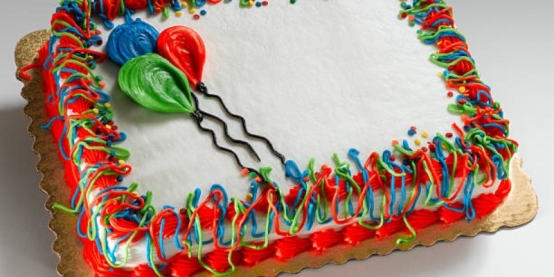
There’s a difference between a beautifully colored cake and a clown show. Understand that colors should work together, not fight each other. Primary colors can look childish when slapped together with no plan. Stick to two or three shades. Learn about color theory. Know that pastel colors are easier on the eyes and more forgiving than bold neons.
The kind of color you use matters too. Don’t use random liquid food coloring from the supermarket and expect Instagram results. Gel colors are better. They don’t water down your frosting. They are stronger and last longer. Some people try to use natural dyes like beetroot or spinach. That’s fine if you want to keep it organic, but don’t be shocked when your “natural red” turns pinkish-brown after a few hours. If the cake is going for sale or a large audience, use professional-grade colors. Your kitchen is not the place for random experiments.
Tools Matter, But Skill Matters More
A lot of people blow money on cake decorating tools before they even bake their first cake. That’s not wisdom. A set of piping bags, a few basic tips, an offset spatula, and a turntable is enough to start. Don’t buy 60 nozzles when you don’t even know how to use five. Cake decoration is about control, not collecting equipment.
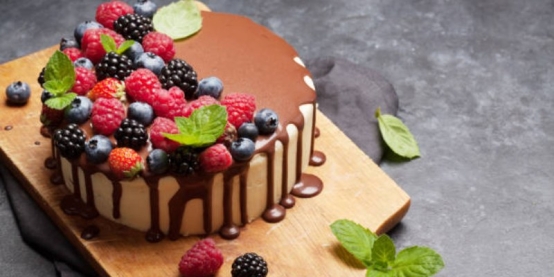
The nozzle size, pressure of your hand, and angle of movement decide whether the rosette you’re piping looks elegant or like toothpaste. It is not magic. It is muscle memory. That comes from repetition, not just watching tutorials.
Practice on wax paper. Reuse the frosting. Save your real cake for when your hand is steady. No one gets it right in the first few attempts, and that’s okay. This is a skill. People study this professionally. Expecting shortcuts will leave you disappointed. Take the time to fail in private before showing off publicly.
Structure First, Creativity Second
Before you think about aesthetics, lock in the structure. A cake must sit flat. If it leans, no amount of fancy flowers will save it. Use a serrated knife to level each layer. Crumb-coat before the final layer of frosting. Let it chill before adding more.
Most beginners rush through these steps and end up frustrated. That’s where cracks happen. That’s where frosting slides off. It’s also why decorated cakes melt before they get to the table. Patience beats style. Once your base is solid, start getting fancy. Do not decorate a hot cake. It will collapse.
If the event is hours away, refrigerate. Room temperature is not always your friend, especially in hot climates. Food safety authorities already say so. Cakes can go bad faster than you think. That’s something beginners forget when trying to impress.
Clean Work Is Better Than Complicated Work
Simple cakes that are neat will always outshine complicated ones that look rushed. Do not mistake doing too much for being skilled. Clean borders, consistent piping, and sharp edges will turn heads more than chaotic rainbow sprinkles with no direction.
It takes restraint to do less. Especially when decorating. That’s what separates amateurs from professionals. If you’re not sure whether the cake needs one more flower or color, stop. Do nothing. Less is often more in decoration.
Some bakers even specialize in minimalist cakes. They sell well because people love elegance. That should tell you something about visual appeal. If in doubt, step back and look at the whole cake. If your eye is confused, that’s a sign to simplify.
Respect the Process — It’s More than Just Baking
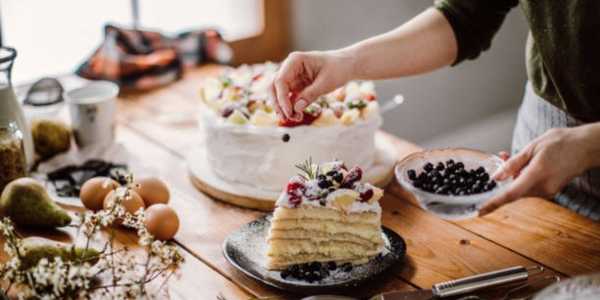
Decorating cakes is art, not just dessert preparation. But art requires rules and time. Nobody becomes great overnight. No one sees the hundred failed cakes behind one Instagram-worthy photo. That’s the part people don’t want to talk about.
Respect the journey. The experts you admire had to start with wobbly lines and messy swirls too. Some even went through formal culinary training to perfect their skills. There is nothing wrong with being a beginner. But there’s everything wrong with acting like decorating should be easy when you haven’t earned it.
Some will still try shortcuts, rush through it, or copy other people’s designs without understanding the technique. That’s why their cakes collapse or look childish. Don’t be that person. Learn properly. Practice hard. Understand flavor, temperature, color, structure, and tools. Then let your creativity speak.
Cake decoration is not just about making something pretty. It’s about making something meaningful. Something that tastes good, looks good, and shows the amount of thought and respect you put into it. That’s what makes a cake unforgettable.