ADVERTISEMENT
How to Make Homemade Marshmallows: Vanilla, Chocolate, and More
Most people eat marshmallows without knowing what they are made of. Marshmallows are soft, fluffy sweets made from sugar, water, and gelatin. When these three ingredients are whipped together just right, the result is that light, airy treat people love.
The key to making perfect marshmallows at home is getting the right texture—not too sticky, not too dry. Whether it’s vanilla marshmallows, chocolate marshmallows, or other flavors, it’s important to understand what makes the texture soft and bouncy.
What You Need Before You Start
When people buy marshmallows from the store, they are often packed with preservatives, artificial flavors, and extra sugar. But homemade marshmallows are different. They can be made with better ingredients and adjusted for taste and health concerns. That makes them a good choice for people who care about what they eat. But if someone thinks homemade means easy and careless, they need to understand the truth. This is a process that requires attention and patience. That fluffy pillow of sweetness will not make itself.
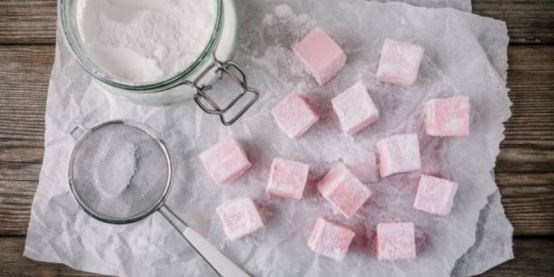
Before getting started, it's important to gather all the tools and ingredients. This step is not the time to take shortcuts or guess what works. For example, skipping gelatin or changing the sugar balance can ruin the whole process.
The base ingredients for vanilla marshmallows include unflavored gelatin, white sugar, corn syrup, water, vanilla extract, and salt. For chocolate marshmallows, unsweetened cocoa powder or melted dark chocolate can be added to the mixture. Other flavors, like strawberry or mint, will need matching extracts or fruit purees. Each one affects how the mixture sets, so it’s not just about tossing in a flavor and hoping it works.
Some people try to replace corn syrup because they heard it's bad. But corn syrup has a specific job here. It helps stop the sugar from crystallizing. Without it, the mixture can become grainy and hard. According to Cleveland Clinic, corn syrup in moderation is not the enemy when used responsibly.
The Marshmallow-Making Process
The process starts by blooming the gelatin in cold water. This is where many get it wrong. If the water is too warm or too little, the gelatin won’t bloom properly. And if it doesn’t bloom, there will be no structure. While that sets, the sugar, water, and corn syrup are heated in a pot to about 240°F. This temperature is called the soft-ball stage in candy-making. Using a thermometer is not optional. Guessing the temperature can ruin hours of work.
Once the sugar mixture reaches the right temperature, it’s poured into the gelatin while mixing at low speed. The mixture is then beaten at high speed for about 10 minutes until it becomes thick and glossy. This is where the fluff starts to form. At this point, flavors like vanilla, chocolate, or fruit extracts are added. The mixture is then poured into a dusted pan and left to set for several hours. No shortcuts. If someone can’t wait, then maybe marshmallow-making isn’t for them.
Flavor Choices That Actually Work
People get too excited and start mixing strange flavors into marshmallows without thinking. Not all flavors work well with sugar and gelatin. Vanilla remains the safest and most trusted choice. Chocolate, if done correctly, adds a deep richness. Strawberry, lemon, and mint can also work if balanced with the right amount of sugar. But it’s not just about throwing in a flavor. It must blend smoothly into the mixture, or the whole batch becomes patchy.
Alcohol-based extracts work better than watery ones. And natural fruit purees must be reduced before adding them in. For example, if someone adds raw mango puree without reducing the moisture, the marshmallows may never set. That’s not a recipe mistake—that’s human error from ignoring the process. Even people making homemade confections in professional kitchens follow this basic principle.
Cutting, Dusting, and Storing
After the mixture sets, it’s time to cut it into squares. A sharp knife and a dusting mix of powdered sugar and cornstarch are used to keep the marshmallows from sticking. Trying to cut marshmallows without dusting them is asking for trouble. They stick to everything—your hands, the knife, even the cutting board. It becomes a mess very quickly.
Once they’re cut and dusted, marshmallows need to be stored properly. Airtight containers in cool, dry places are best. Leaving them in the open will cause them to dry out or absorb moisture from the air. Some people try to freeze marshmallows, but freezing changes the texture and ruins the softness. If stored right, homemade marshmallows can last up to two weeks. That’s more than enough time to enjoy them or share them with others.
Don’t Be Fooled by Looks Alone
A marshmallow that looks good but doesn’t taste right is a failure. Some people care only about how the food looks. But texture and taste matter more. Marshmallows that are too chewy or too stiff are just as bad as ones that melt too fast. Some even taste bland because people forgot to add salt. Yes, salt. Even in sweets, salt helps bring out the flavor. Ignoring this detail leads to flat, boring results.
Those who want to be serious about making marshmallows need to stop depending on shortcuts. There is no such thing as a perfect marshmallow made in five minutes. It takes time, heat, timing, and technique. The work put into it shows in the final taste.
Why Homemade Matters
Homemade marshmallows are not just about showing off or feeling proud. They are better because the maker controls everything. No preservatives, no strange chemicals, and no extra sweeteners. Just sugar, gelatin, and real flavor. That makes them safer, better tasting, and sometimes even cheaper.
Making sweets at home gives people the power to choose what goes into their food. But with power comes responsibility. Don’t ignore the science behind it. Don’t assume the rules can be bent every time. Marshmallows don’t care about intentions. They care about the exact mix, the heat, and the steps. Miss one thing, and everything falls apart. That’s how this works.
Things to Remember When Making Marshmallows
Marshmallow-making is not about perfection. It’s about learning how the ingredients work together. It’s about making sure the gelatin blooms, the sugar reaches the right stage, and the mix is whipped just long enough. People who want to make vanilla marshmallows, chocolate marshmallows, or other flavors need to stay patient. No amount of online videos can replace practice. No amount of hope can replace timing.
There are no magical kitchen hacks that fix bad texture. There are no secret flavor drops that turn a failed batch into success. Marshmallows are honest. They reflect how well the process was followed. That’s the kind of food this is. Not lazy, not fake, not rushed. If more people cooked like this, there would be fewer disappointments and less sugar wasted.